|
|||||||||||||
 |
|||||||||||||
The 1st Computer Rodent
|
|||||||||||||
|
1 | 2 | 3 | 4 | 5 | 6 | 7 | 8 | 9 | 10 | 11 | 12 | 13 | 14 | 15 | 16 | 17 | 18 | 19 | 20 | 21 | 22 | 23 | 24 | 25 | 26 | 27 | 28 | 29 | 30 | 31 | 32 | 33 | 34 | 35 | 36 | 37
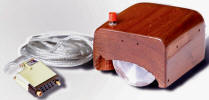
The 1st Computer Rodent In 1964, Dr. Douglas Engelbart received a patent for a device consisting of a wooden shell and two metal wheels - the computer mouse. In 1970, a patent was awarded (out of more than 45 for Dr. Englebart) for what was described in the patent application as an "X-Y position indicator for a display system." He nicknamed it the "mouse" because the tail came out the end.
World's First Computer Mouse, by Douglas Engelbart (Wikipedia image)
X-Y Position Indicator for a Display System |
|||||||||||||
 |
|||||||||||||
|
|||||||||||||
 "
"


|
||||||||||||||||||||||||||||||||||||