|
|||||||||||||
 |
|||||||||||||
Exploding Wire Spacecraft Propulsion
|
|||||||||||||
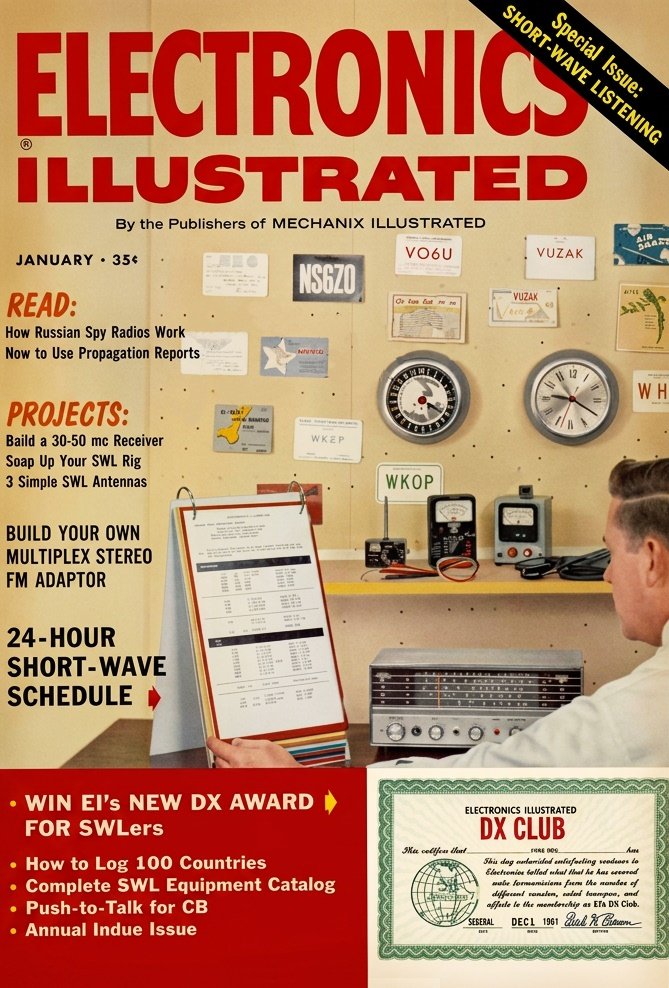
The concept of exploding wire propulsion is a fascinating relic of the early Space Age concepts, reflecting an era of high-energy-density experimentation that prioritized power density over long-term system efficiency. While this 1962 Electronics Illustrated magazine report captured a valid physical phenomenon - the rapid plasma expansion of a metallic conductor - the practical implementation for spacecraft encountered insurmountable engineering hurdles relative to the chemical and electrical propulsion benchmarks that followed. When you dump several thousand amperes into a 1-mil wire in nanosecond timescales, you bypass traditional heating and cause a phase explosion where the wire skips the liquid state and transitions into a dense, high-temperature plasma. The resulting megabar pressures are indeed "powerful stuff," but in the context of propulsion, the efficiency is governed by the ability to direct that expansion. The Exploding Wire Phenomenon (E.W.P.) was studied extensively in the 1958-1963 timeframe. Electronic Brain
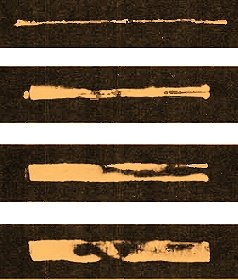
Here, in series of ultra-highspeed photos, aluminum wire explodes after switching of current. What happens when you switch several thousand amperes into a 1 mil wire about 1/4-inch long in a time period no longer than a few millimicroseconds? Simple: it explodes - with vaporization energy many times normal, temperatures above 100,000 degrees centigrade and pressures in the megabar range. This is powerful stuff. An Army sponsored study by ElectroOptical Systems, Inc., Pasadena, California, claims that exploding wire impulses could provide a space vehicle with 2 to 10 times the thrust now obtainable by chemical means. The technique, developed as a result of detonator research, may also be used for space communications via light, as well as terrestial searchlight operations. A 0.002 to 0.02 mfd capacitor is charged to 10,000 to 20,000 volts and suddenly discharged into the wire. Current is switched by a hydrogen thyratron and triggered air spark gap. Why It Did Not Become a Standard
Where the Research Went The "exploding wire" physics didn’t die; it migrated into other niche fields:
In short, the Army-sponsored studies hit a wall of mechanical complexity. We learned to achieve the same plasma states without the physical chore of spooling wire. While it remains a brilliant example of the "can-do" electrical engineering spirit of the 1960s, it lacked the scalability required for the vacuum of space. |
|||||||||||||
 |
|||||||||||||
|
|||||||||||||

|
||||||||||||||||||||||||||||||||||||